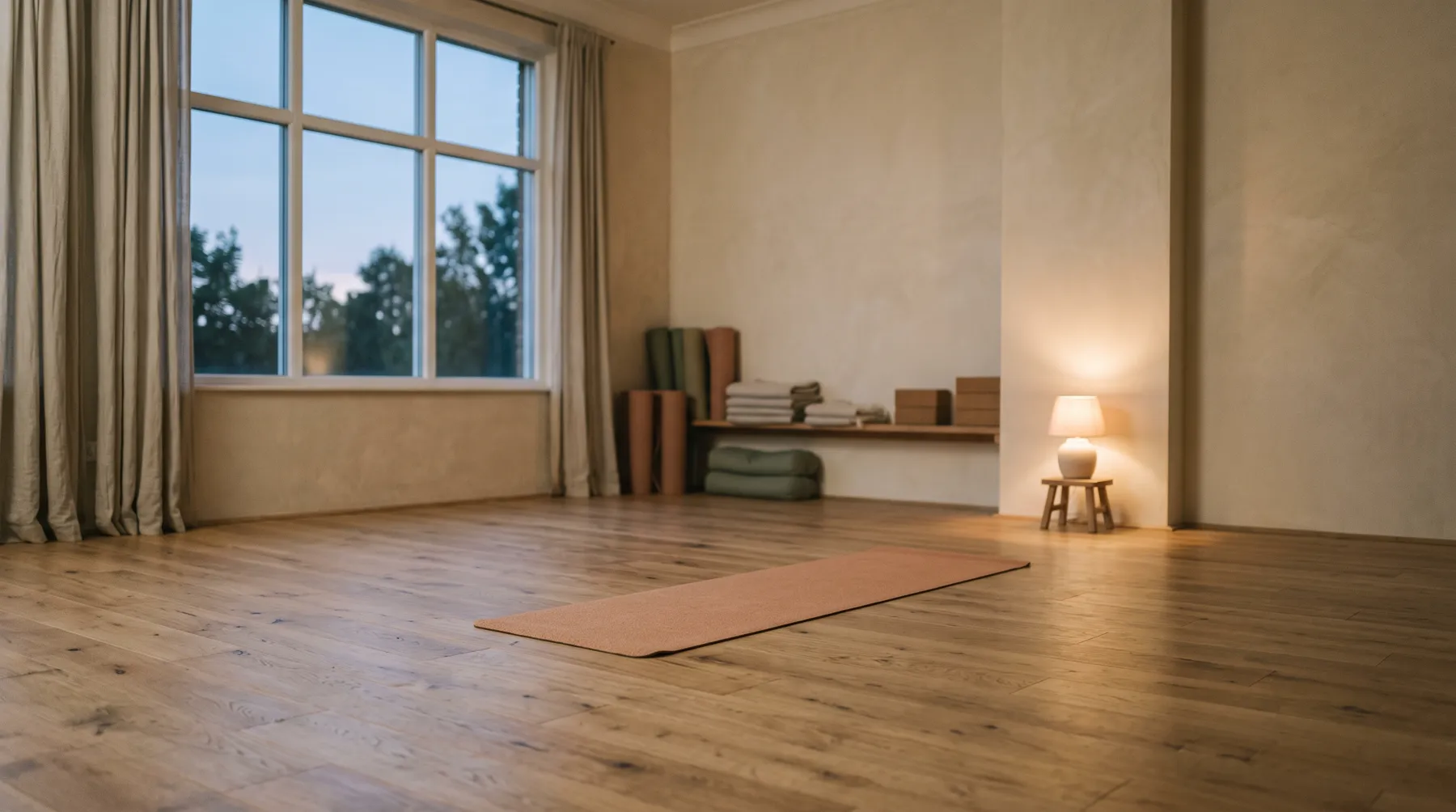
Slow flow
The same shapes as a flowing class, with the hurry taken out. Fewer poses, held longer, with enough time between them to notice what has actually changed.
What the hour is
Half the poses, twice the attention
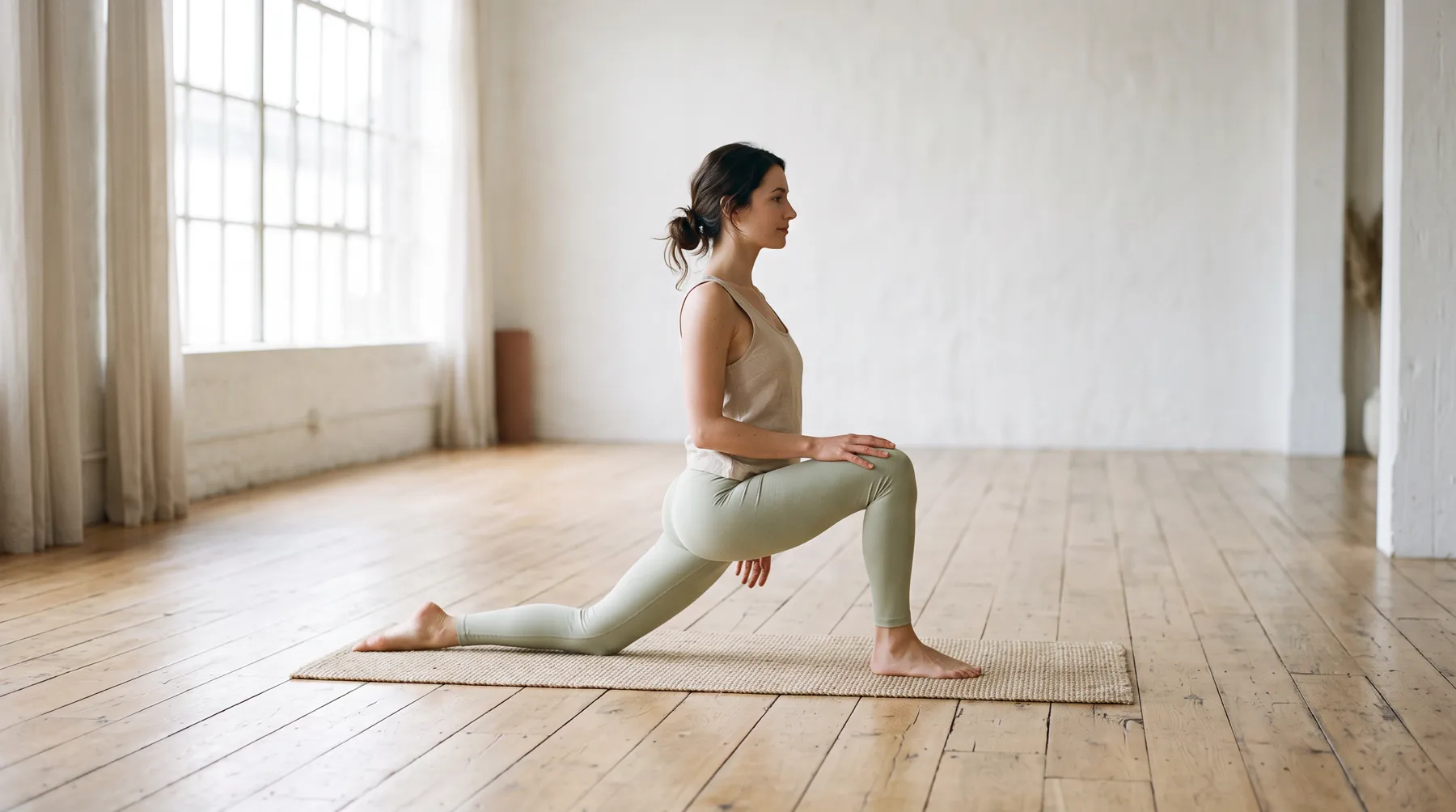
A slow flow class covers maybe a third of the ground a vinyasa class does. That space is spent arriving properly in each shape, adjusting it, and staying long enough that your body stops arguing. It is not an easy class. It is an unhurried one.
- Long transitions, no rushing between shapes
- Blocks and blankets used from the start
- Good after an injury or a heavy week


Who it suits
For bodies that are done being pushed
People come to slow flow when a faster class has stopped feeling like a good idea. It suits stiff mornings, old injuries, long recoveries, and anyone who has spent the day being efficient and would like to stop.
Before you book
The three things people ask us about this class.
Slow flow still moves and still asks your legs to hold you up. Restorative does not: there you are lying down on props for most of the class.
Often yes, and it is the class most people with back trouble settle into. Tell the teacher before class so the shapes can be set up around you.
Most fit people are surprised by how much work a long hold turns out to be. Boredom is rarely the problem.
Something else on your mind?
Write to us and we will answer honestly, including when the answer is that another class would suit you better.
Take a place in the room
Tell us which class you are looking at and we will let you know what is available.